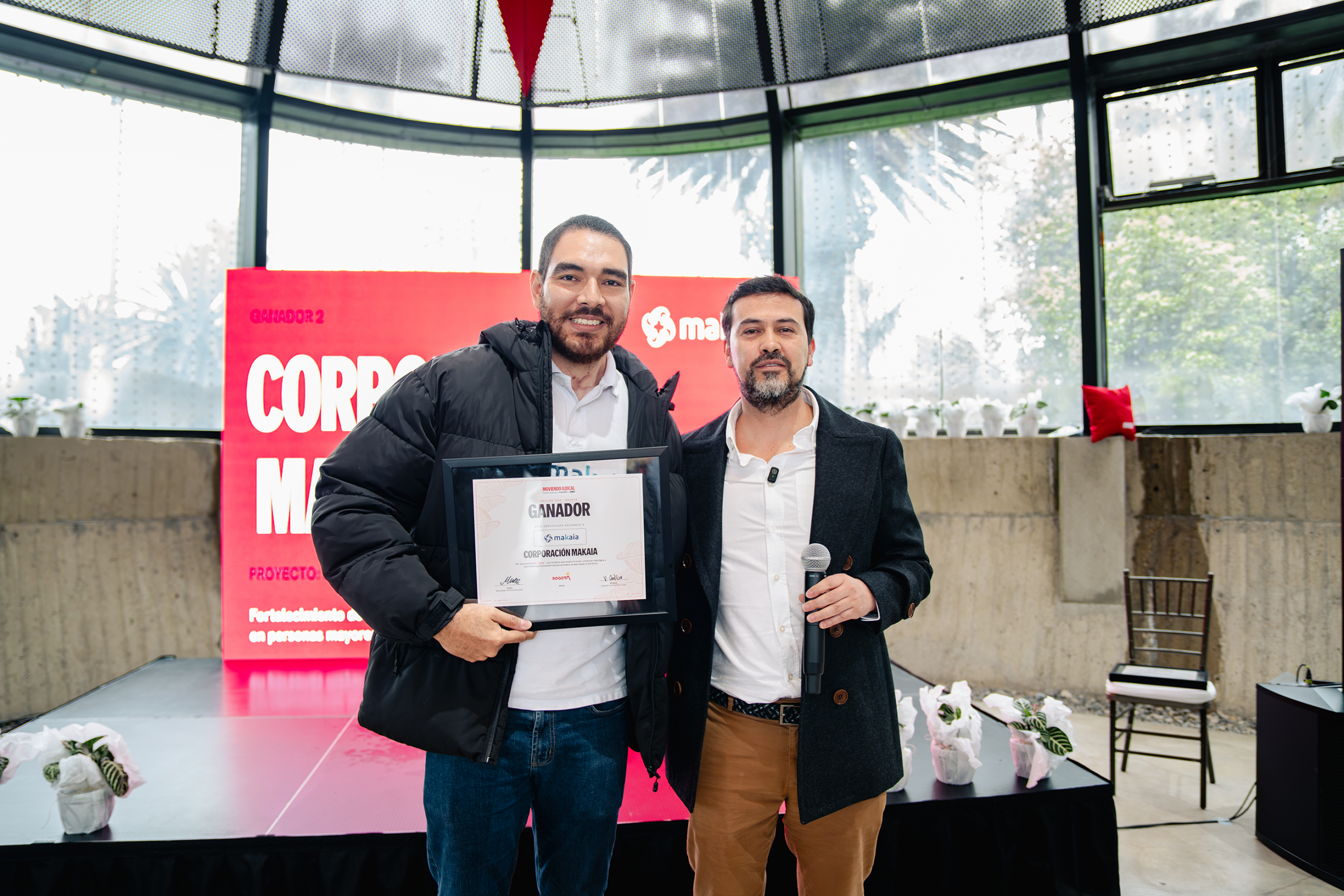
At Makaia, we believe in the transformative power of technology to strengthen civil society. That is why, since 2024, we have been working alongside CIVICUS the Digital Action Lab (DAL) project, an initiative designed to promote digital transformation processes in civil society organizations in the Global South. This alliance is part of the Digital Democracy Initiative and aims to Strengthen the digital capabilities of organizations operating in contexts where civic space is restricted or at risk, enabling them to use technological tools to increase their impact and participation in democratic life.
During the project's implementation, we have accompanied organizations from 4 continents in countries such as: Nigeria, Zambia, Malawi, Tanzania, Ethiopia, Kenya, South Sudan, Kyrgyzstan, Nepal, Indonesia, India, Lebanon, Turkey, Kosovo, Bolivia, Brazil, Colombia, and Venezuela.
Based on an initial digital maturity assessment, we evaluated more than 50 participating organizations to understand their capabilities, identify gaps, and establish intervention priorities for each of them.
This diagnosis was based on our digital transformation methodology and evaluates organizations in five key areas: vision and strategy, organizational culture, infrastructure, operations, and communications. Based on this analysis, 20 organizations were identified to receive group training and individualized consulting tailored to their specific needs. This support process includes virtual sessions, specialized technical support, and advice on topics such as digital rights, inclusive democracy, and civic participation in digital environments.
One of the key components of the project is the technology implementation fund, which enables 10 organizations to implement digital solutions that strengthen their organizational, advocacy, and lobbying capacities.

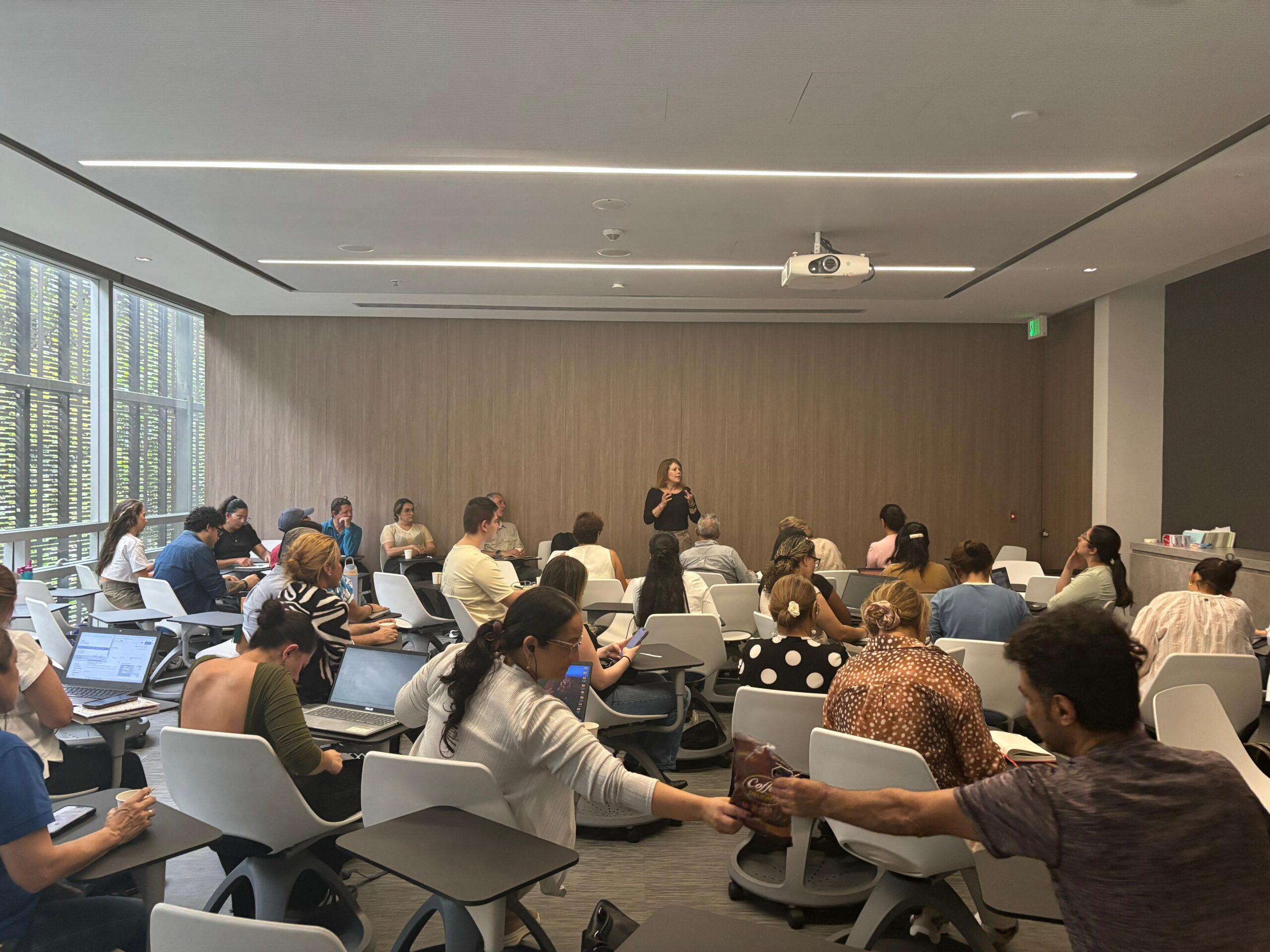
Each selected organization will receive up to USD 20,000 to develop and implement digital tools tailored to their contexts. This process is carried out with the guidance of specialized consultants to ensure proper planning, sustainability, and alignment with each initiative's strategic objectives. In addition, there is a co-creation component, through face-to-face and virtual collaborative spaces, which is key to identifying in a participatory manner the technological challenges and opportunities faced by each participating initiative.
During the course of the project, we have observed a profound organizational impact on each of the participants. The organizations have strengthened their digital literacy, improved their online safety practices and better understood how to integrate technology into their institutional strategy.
Peer learning spaces have also been created, where shared experiences have given give rise to new regional alliances and synergies. This exchange has demonstrated that Digital transformation goes beyond incorporating tools: it is about changing mindsets, processes, and structures. so that technology becomes a true enabler of social change.
As part of our commitment to sustainability and knowledge generation, we are developing three documents that compile the lessons learned and success stories that emerged during the implementation of the Digital Action Lab. These products will highlight how digital empowerment can contribute to strengthening civic space and will serve as a guide for other organizations that wish to initiate or deepen their own digital transformation processes. The path we have traveled so far reaffirms the importance of continue to support initiatives that combine technology, citizen participation, and international cooperation.
At Makaia, we will continue working toward our commitment to a stronger civil society that is connected and prepared to face the challenges of the present and the future.