Technology is one of the main enablers of social and economic development. However, in countries like Colombia, access to specialized training and real opportunities to generate income in the technology sector is still unequal. At Makaia, we are certain that talent exists in all territories and contexts, which is why we develop programs to close these gaps.
Makaia's “Tech Scholarships” initiative is part of our Technology for Social Change line and aims to strengthen technical and human skills that allow people in Colombia to access employment, education and entrepreneurship in the technology sector. Through 100 % scholarships, we accompany people with high potential who face economic, social or territorial barriers to access quality training.
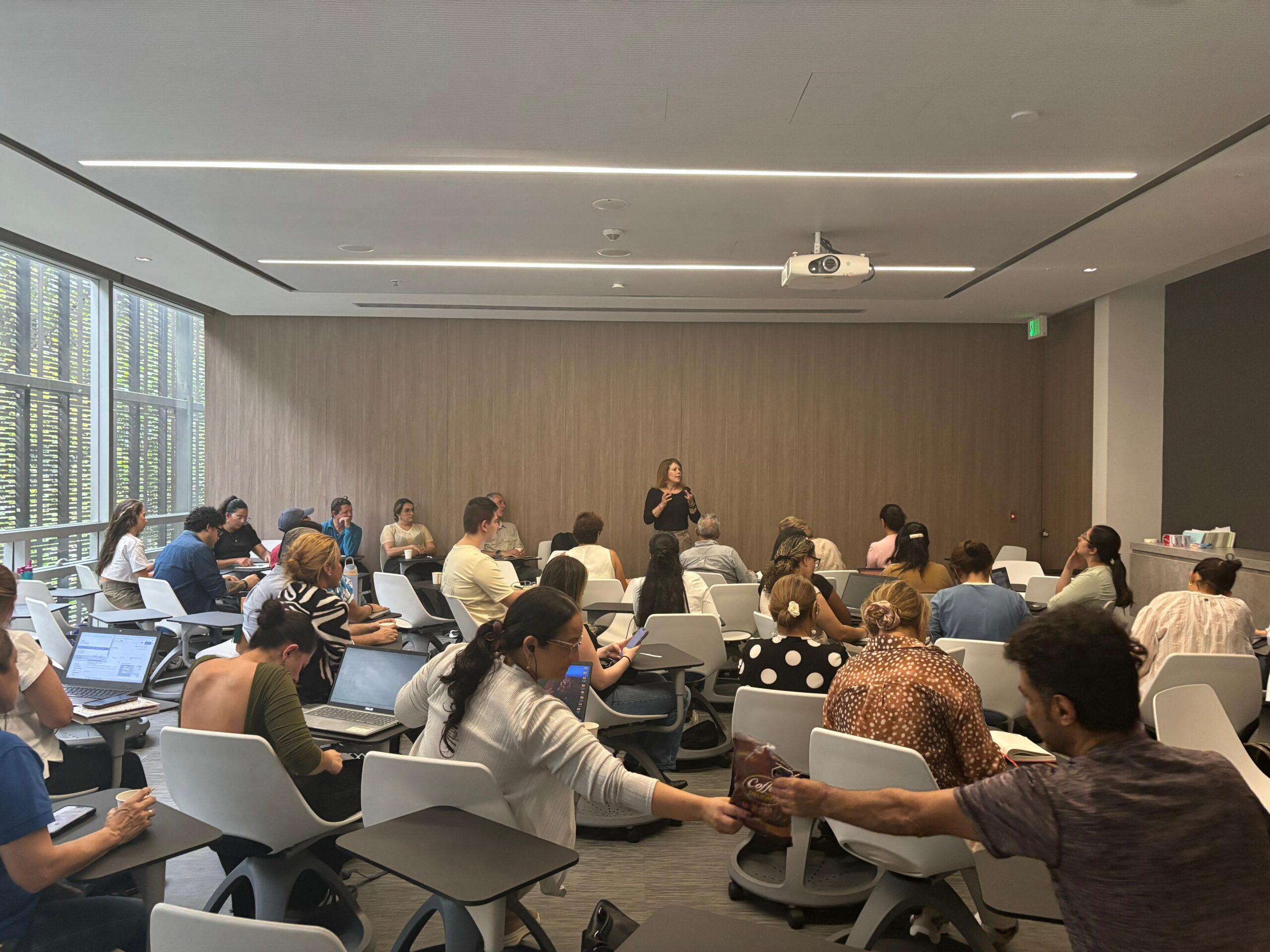
This commitment is developed through the technology skills bootcamp. BeTek, an intensive role training experience tech such as data analysis, software development, cloud computing and cybersecurity. BeTek combines hands-on learning based on real industry challenges, specialized mentoring, psychosocial support and the strengthening of employability skills, with the aim of facilitating sustainable job placement in the technology sector.
During the year 2025 we consolidated relevant results, 117 people were certified in data analysis programs with artificial intelligence tools, through six training cohorts. Coming from 17 departments and 48 municipalities in the country, these people reflect the territorial scope of the program and its contribution to the decentralization of access to quality technological training.
Inclusion was a central component of the program; 46 % of the people certified were women, which reaffirms the commitment to equity and diversity in the technological training processes. This support translated into concrete opportunities, since at the end of 2025, the percentage of employment of graduates was 69 %, that is, they are employed, continuing their training or developing entrepreneurial initiatives, which shows the relevance of the strategy to the needs of the labor market.
The results of 2025 add up to a sustained impact over time, cumulatively, more than 860 people, between the ages of 18 and 71, have been certified in our bootcamp, with the support of more than 180 companies that have relied on the talent trained in our programs.
52 % of the beneficiaries reside in rural areas, intermediate cities or small municipalities, which contributes to the reduction of gaps and the democratization of access to technology opportunities. In addition, 42 % of the people certified and in training are women, consolidating a cross-cutting approach to diversity, equity and inclusion.
Beyond the indicators, with this type of initiative we seek to promote real processes of social mobility: the beneficiaries strengthen their employability, gain access to a more stable income, continue their academic training or become entrepreneurs in the technology sector, generating a positive impact on their life projects and their family environments.
These results are only possible thanks to the articulation with strategic allies from the private sector, international cooperation, foundations and employer companies. These actors make the financing of scholarships viable, participate in mentoring processes and connections with industry, and facilitate the labor market insertion of graduates.
The participation of our partners allows us to maintain a training offer aligned with the needs of the labor market and with high standards of quality and relevance. This collaboration strengthens the impact ecosystem and demonstrates the value of cooperation to generate sustainable social transformations.
Looking ahead, we will continue to strengthen this initiative to reach more people and territories, deepening our focus on inclusion and consolidating alliances that make this impact possible.
Our commitment is clear: to continue bringing knowledge closer to people so that they can open up real opportunities and contribute to the construction of a more equitable society, in which technology is an engine of social mobility.