Business families play a central role in the global economy. It is estimated that they account for about two-thirds of the world's businesses, generate about 60 % of employment and contribute about 70 % of global GDP.
In Latin America, in addition to their economic impact, these families have also built a tradition of social commitment and philanthropy, contributing to the development of their territories through social initiatives, foundations and partnerships with civil society organizations.
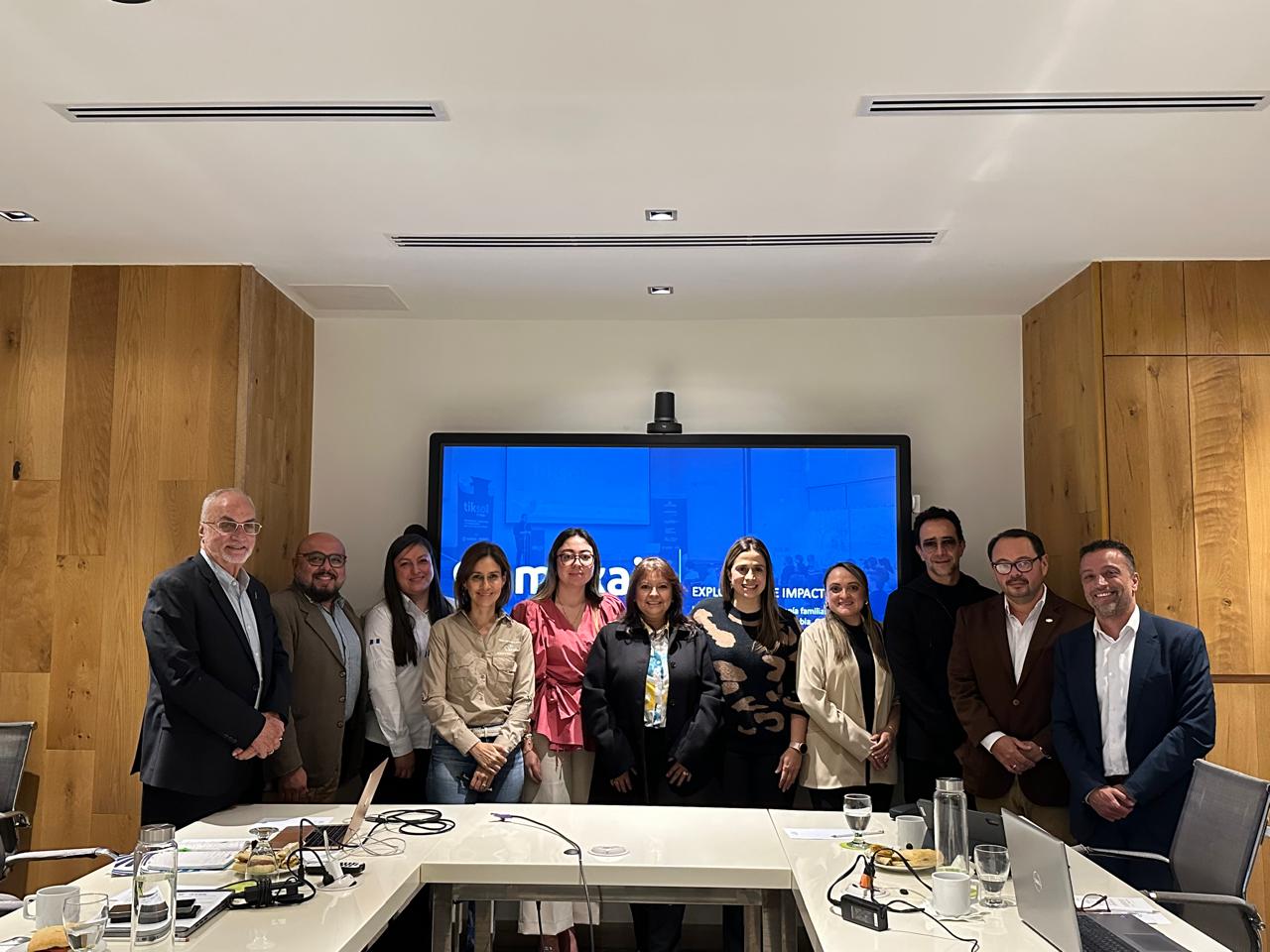
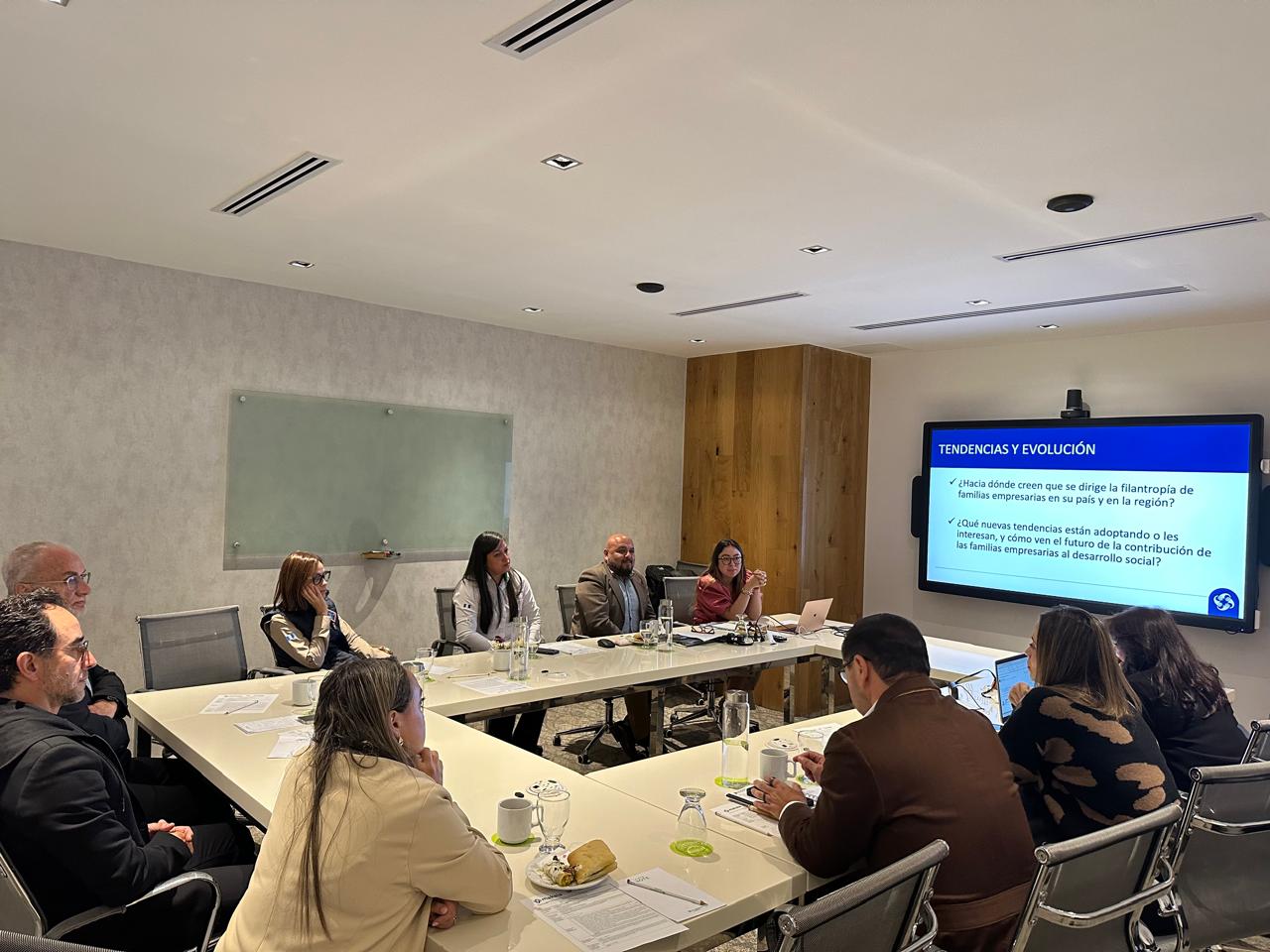
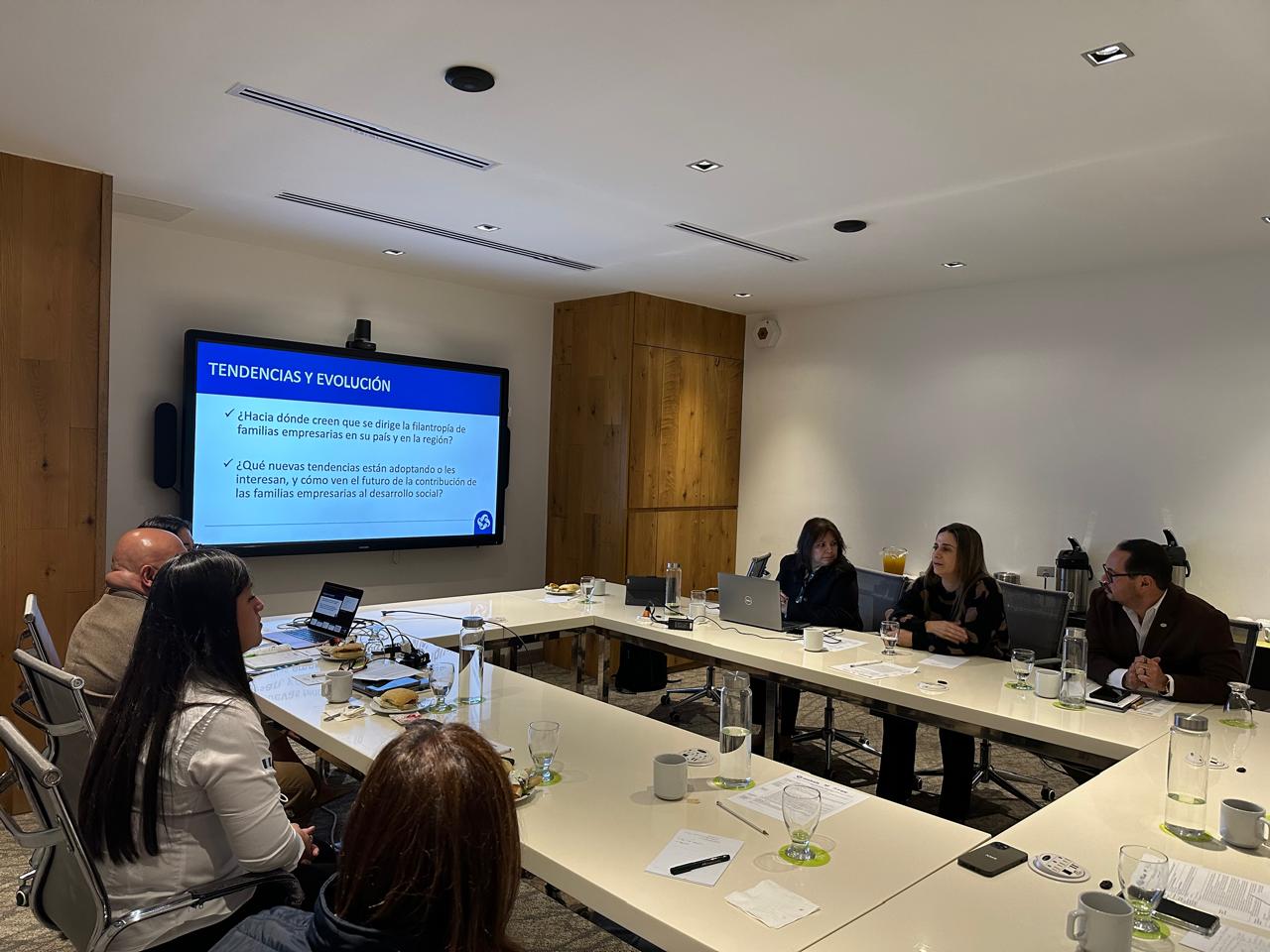
In this context, Makaia, in articulation with Family Business Network (FBN) and with the support of WINGS - Elevating Philanthropy and the European Union, developed the study “Exploring impact: a comprehensive study of business family philanthropy in Colombia, Ecuador, Guatemala and Panama.”.
The research analyzed the philanthropic practices of 100 business families in these four countries through interviews, focus groups and surveys, in order to identify their motivations, mechanisms of action and opportunities to strengthen the collective impact of their social initiatives.
Philanthropy as part of the family legacy
One of the most relevant findings of the study is that philanthropy is part of the culture and legacy of many business families. Of the participating families, 89 % develop some type of philanthropic action, which reflects that contributing to the common good is a practice that occupies a central place in the interests of these families.
Furthermore, in more than half of the cases (54 %), these initiatives have roots in the very foundation of their companies, which shows how social commitment is integrated into the business purpose and the legacy that families seek to pass on to new generations.
For many business families, philanthropy is not an occasional activity, but a way of materializing their commitment to society and contributing to the collective well-being. In this context, philanthropy goes beyond occasional donations. It is understood as the contribution to the common good through financial resources, knowledge, time or leadership, often channeled through family foundations, their own programs or alliances with social organizations.
What causes are business families focused on?
The study reveals that business families prioritize causes related to human development and the reduction of inequalities. Education stands out as the main focus of action, followed by initiatives aimed at children and youth, as well as programs aimed at reducing poverty.
Other relevant areas include health, community development, environmental sustainability and the promotion of entrepreneurship and social innovation. These priorities show an orientation towards initiatives that seek to generate sustainable and long-term transformations in the territories where family businesses operate.
How philanthropy materializes
Business families use various mechanisms to channel their social initiatives. Many develop their own programs or create family foundations that lead projects in education, community development or sustainability. Alliances with social organizations, direct donations, educational scholarships and family or corporate volunteer initiatives are also common.
In some cases, family members actively participate on boards of directors of social organizations or promote collective projects with other actors. Interest is also beginning to grow in models of impact investment, The aim is to generate simultaneous financial returns and social benefits.
Another key finding of the study has to do with the motivations behind philanthropy. Families primarily value altruistic motivations and the desire to contribute to social development, while tax incentives are of much less importance.
Philanthropy is strongly linked to family values, a sense of social responsibility and purpose, rather than tax benefits or reputational strategies.
An evolving ecosystem
The research also shows that philanthropy in the region is evolving toward more strategic and professionalized models. In Colombia, for example, a growing institutionalization of social initiatives through foundations and formal structures is evident. Ecuador stands out for its leadership in triple impact models and B-certified companies, while Panama shows a strong capacity for articulation among ecosystem actors. Guatemala is characterized by the generational continuity of its families.
The study also identifies important challenges that need to be addressed to enhance the impact of philanthropy in the region. These include the need to strengthen impact measurement methodologies, expand the connection with specialized networks and promote greater collaboration between the private sector, civil society and the public sector.
More than a diagnosis, this study seeks to open a regional conversation on the role of business families in social transformation. Understanding how their initiatives are developed, what their motivations are and what they need to strengthen their impact is key to mobilizing more resources, knowledge and partnerships for sustainable development.
At Makaia, we believe that entrepreneurial families are already generating significant changes in their territories. The challenge is to connect these initiatives, share learning and strengthen a strategic, collaborative and sustainable philanthropic ecosystem.
Explore the full study and discover how entrepreneurial families are driving social change in the region.