For more than 20 years, I have supported social organizations in the areas of communications, financial management, inclusion, institutional strengthening, and resource mobilization. Every organization and every region is different, but there is often a common thread: many have a deep understanding of their communities, possess legitimacy, and know what they want to change—though they don’t always have everything they need to do so. Sometimes funding is lacking; other times, it’s technical skills, management tools, connections, technology, communication, legal support, or simply someone to help open a door.
Given this situation, the first need that typically arises is financial, and this is understandable; with funding, organizations can purchase equipment, improve infrastructure, hire staff, adopt technology, or launch new initiatives. Money matters—a great deal—but receiving resources does not necessarily equate to building sustainability. Without sound governance, management capabilities, relationships built on trust, or mechanisms for engaging with public, private, and social actors, new funding may resolve an immediate crisis but leave many of the conditions that hinder growth unchanged.
My accumulated experience has helped me understand that strengthening an organization requires a holistic approach; improving governance, managing resources more effectively, building partnerships, expanding networks, and incorporating new knowledge also pave the way toward economic sustainability. Mobilizing resources, therefore, involves building an ecosystem of capabilities that allows us to make better use of available resources, multiply opportunities, and sustain our own development.
From Managing Resources to Connecting Capabilities
We have been putting this approach into practice at Vertiente Social, a social innovation lab that strengthens the capacities of local organizations. We begin by recognizing that closing gaps, reducing inequalities, and sustaining processes requires pooling efforts, knowledge, and resources that often already exist but remain scattered.
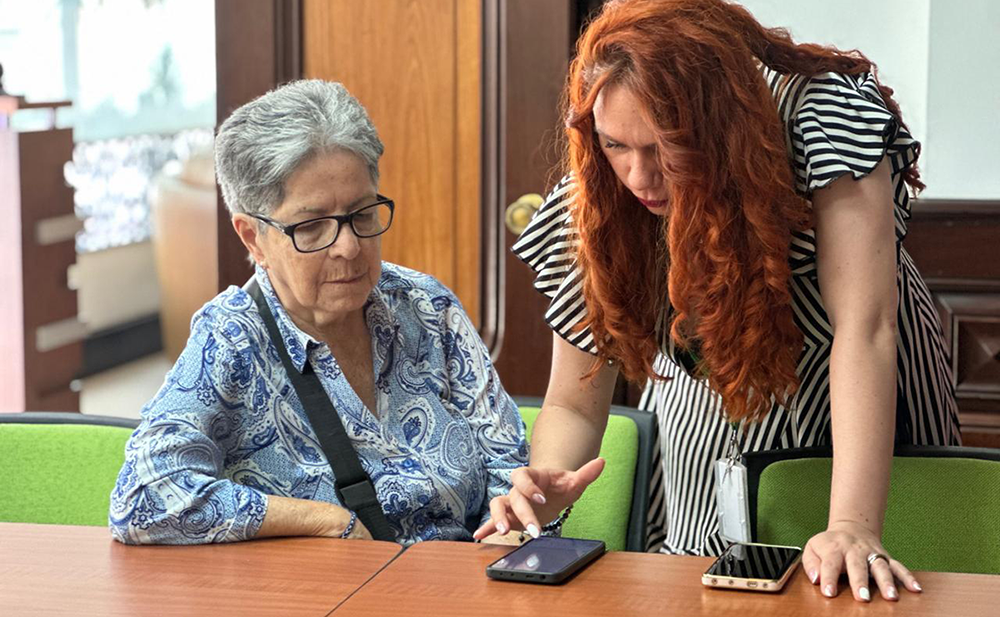
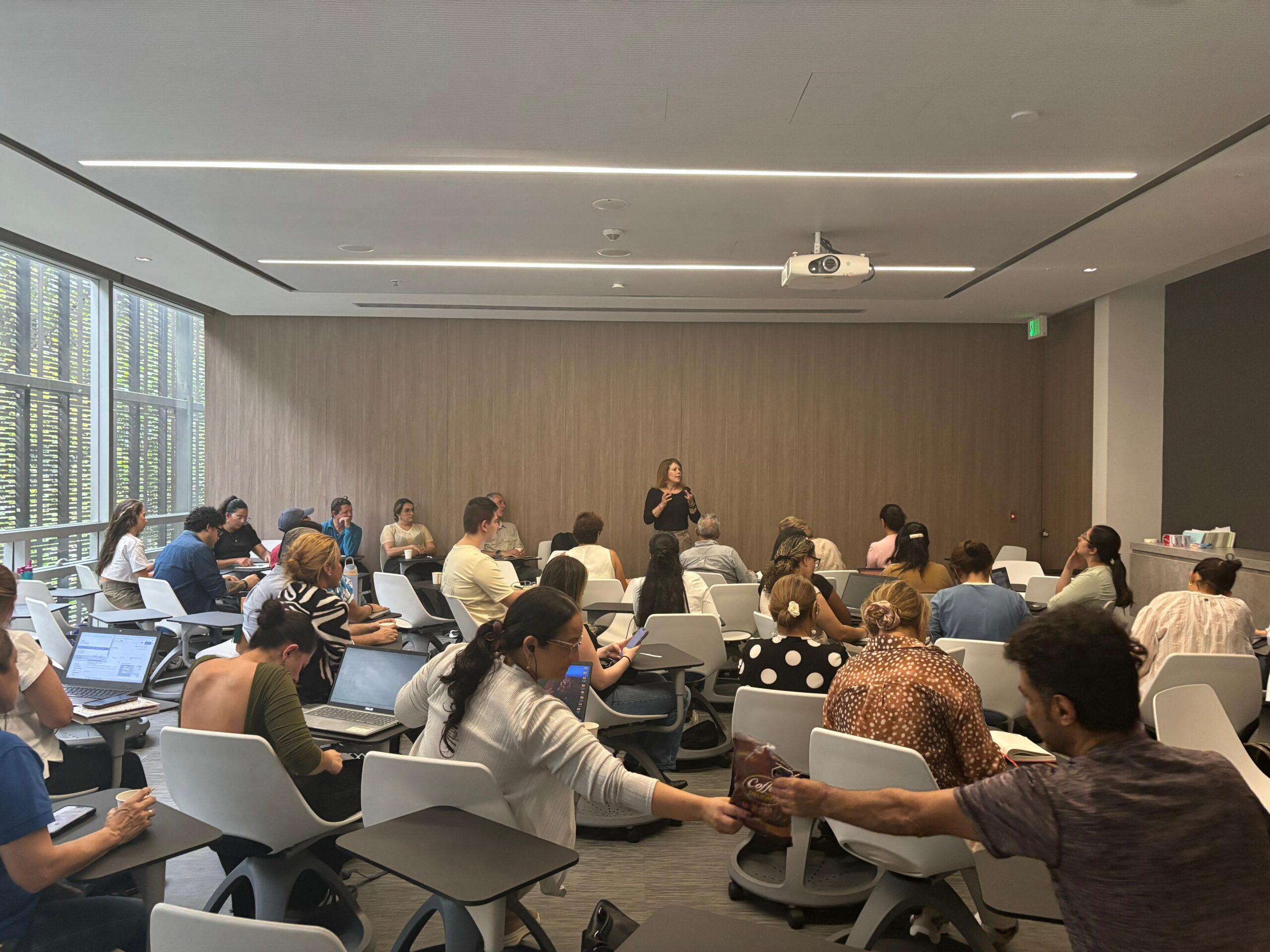
Our methodology begins by listening to each organization, understanding its reality, what it already does well, the gaps it faces, and what it wants to transform; from there, we develop a plan for strengthening the organization and connect it with resources from the private sector, public institutions, civil society, academia, and individuals who can contribute knowledge, relationships, and technical or financial resources.
One of the mechanisms we use is the TIE Bank (Time, Ideas, and Experience), a community that mobilizes strategic volunteerism and connects the contributions that different people and organizations can make. Time translates into support and training; ideas help solve problems, improve projects, build partnerships, or find new avenues to resources; and experience provides practical knowledge and better tools for decision-making.
This approach broadens our understanding of resource management. Money remains essential, but building knowledge, strengthening governance, improving administration, and expanding networks can help both secure funding and make better use of it when it arrives; every financial, technical, or human contribution can thus become an opportunity for the organization to emerge stronger in the face of the next challenge.
A network of capabilities centered on organizations
Strengthening social organizations is particularly important in Colombia, where many promote rights, monitor government actions, facilitate participation, bridge the gap between institutions and communities, and develop solutions where social and economic disparities persist. There are also community-based initiatives that carry out productive activities, generate income, and use collaboration as a means to improve living conditions; both types of organizations often serve as bridges between local communities and public, private, and international cooperation actors.
There are capabilities surrounding them that become more valuable when they are connected. In addition to providing financial resources, the private sector accumulates knowledge in administration, finance, logistics, technology, marketing, human resources, and production processes; sharing this knowledge can strengthen management and open up opportunities for organizations to be recognized as suppliers, local partners, or key players within value chains and among stakeholders.
The public sector can link them to programs and policies, connect them with opportunities, and listen to what their on-the-ground experience reveals about administrative barriers or regulatory bottlenecks; citizens can contribute through strategic volunteering, dedicating their time, ideas, and experience to processes that build capacity; academia can apply research, evidence, and methodologies to specific challenges, test them against reality, and build knowledge together with communities.
When Collaboration Becomes a Methodology
This approach to connecting capabilities is brought to life in “Rebuilding Life,” an initiative we developed in partnership with the Familias de Hoz Foundation, an organization with a presence in Buenaventura and direct experience working with local communities. The process emerged in the wake of the August 2026 earthquake and puts this coordination into practice; we support the strengthening of a local organization while bringing together public, private, social, academic, and community resources to address the specific needs of affected families.
Reconstruction can take the form of restored homes, psychosocial support, restoration of livelihoods, care networks, community spaces, or technical assistance; each response requires different resources and capabilities, ranging from materials and funding to specialized knowledge, coordination with public institutions, connections with businesses, cooperation, and strategic volunteer efforts.
While these capabilities produce visible results in the community, they also empower Familias de Hoz to build partnerships, engage with new stakeholders, mobilize resources, and sustain their work. This dual outcome encapsulates much of what we seek: that our coordination efforts address specific needs while, at the same time, leaving behind institutional capacities within the organizations that will remain in place even after a project ends.
Before asking how much, let's ask ourselves what
Before setting out to seek resources or deciding how to allocate them, it’s worth asking what the organization already has, what it needs to move forward, what capabilities it needs to strengthen, what partnerships are needed, how it will manage the resources it secures, and what should remain in place after the initiative is implemented; Approaching mobilization through these questions helps shift the focus from one-off solutions to sustainable processes.
The invitation also extends to those of us on the periphery of these organizations—from the private sector, the international cooperation community, and public institutions to academia, civil society, and individuals who can contribute knowledge, experience, connections, or resources. The challenge is to ensure that each contribution is integrated into a broader process, builds capacity, and leaves the organization better prepared to tackle the next challenge.
In Latin America, we still need more resources for social impact, but we also need to better connect them with the capabilities that already exist and with those we need to build.
Perhaps that is one of the keys to sustainability: ensuring that every contribution becomes a building block that endures, strengthens what has been built, and allows us to keep moving forward even when that specific support is no longer there.
—–
 By: Juan Felipe Echeverry Jaramillo
Consultant in social inclusion, capacity building, strategic communication, and partnership building. He works with social organizations, businesses, and development cooperation actors to design processes that connect capabilities, resources, and knowledge to drive sustainable change. He is a member of Fundación Vertiente Social, a social innovation lab that strengthens local organizations and brings together stakeholders to support the development of their communities.