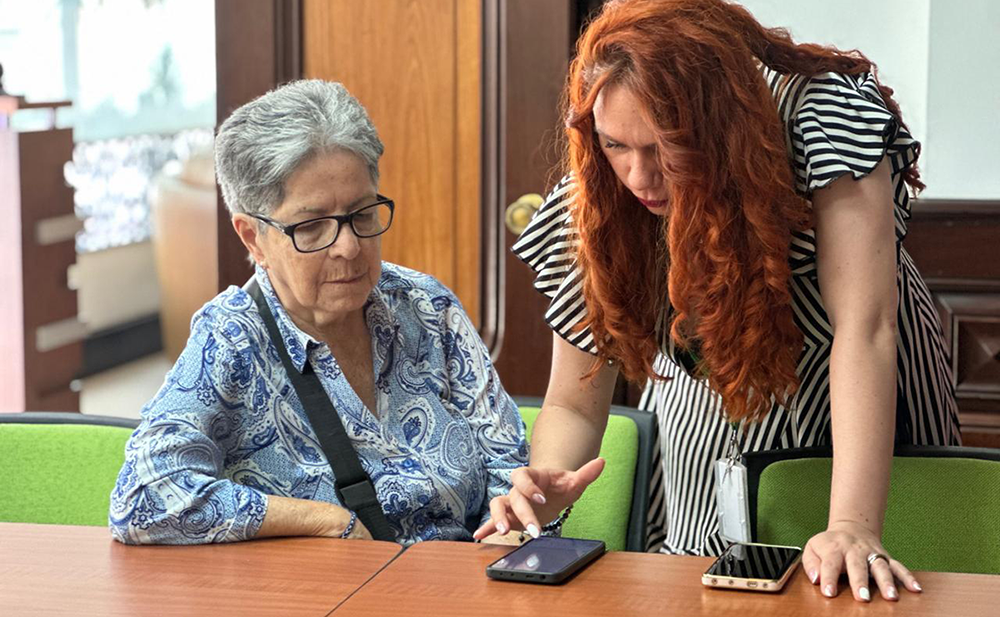
According to DANE, Colombia currently has nearly 8 million people over the age of 60. By 2050, they will account for one in four Colombians. This is a figure that we at Makaia have been closely monitoring—not as a cause for alarm, but as an opportunity for development that we are only just beginning to grasp the full scope of.
However, in 2022, 63.7 % of older adults in Colombia did not use the internet (DANE). That figure is not due to a lack of interest. DANE itself reported that 60.5% of older adults who do not use the internet say it is because they do not know how to do so, not because they lack a device or an internet connection. It is a skills gap, rather than a connectivity gap.
We’ve seen this firsthand in our digital literacy programs: when an older adult gets stuck while completing an online task or using an app, the reason isn’t usually that they can’t learn how to do it. It’s a design issue—the system wasn’t designed with them in mind. This distinction is significant: it defines the type of solution that’s needed. If the problem were one of ability, the answer would be educational: more time, more patience, more practice. But if the problem is one of design, the response must be systemic: rethinking technology and processes and simplifying the way people interact with them, so that they’re easier to use. That is the starting point for our work with companies in the context of the new era of longevity.
A tool for diagnosing and measuring digital channels
Part of our work involves helping companies and organizations understand, through data, just how user-friendly their digital channels really are. We’ve developed a diagnostic platform that evaluates everything from eight dimensions of digital properties to the organizational culture of those who serve or design for this audience. The idea is that redesign decisions should be based on concrete evidence, not on perceptions and subjective criteria.
Evaluate How friendly are yours digital channels for seniors, free of charge and with a short wait time when visiting https://silver.makaia.org/
From overcoming your fear of cell phones to career transition
The other part of our work focuses on people. We support training programs in digital literacy—the use of technology in daily life—and economic independence—employability and entrepreneurship. We design progressive pathways that range from learning to use a cell phone with confidence, through office software and artificial intelligence applied to daily work, to longer-term career transition processes, including in fields such as data analysis.
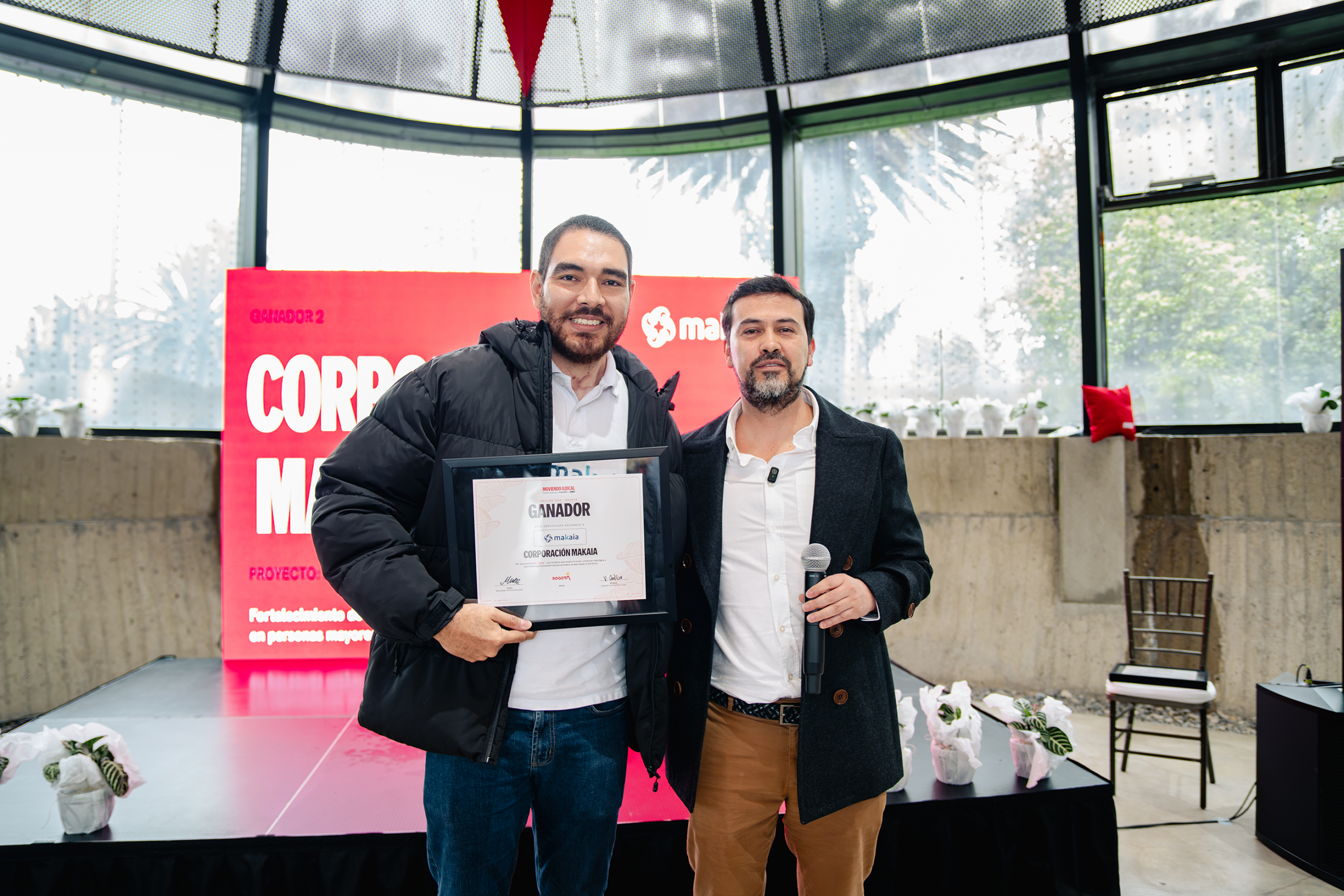
The response we’ve received confirms that we’re on the right track. The call for applications we launched in 2025 for an intensive bootcamp-style training program focused on data analysis supported by artificial intelligence for older adults closed with more than 1,800 applications and a group of 35 trained and certified participants. In Bogotá, meanwhile, +50 Digital is moving forward—our program that aims to strengthen the job skills of people over 50 through hands-on training in smartphone use and artificial intelligence.
We view this work as an investment in development; an aging population is a trend that we, as a society, will experience, and the digital sector is no exception. Organizations that begin building solutions now will be better prepared than those that wait until the gap becomes urgent.
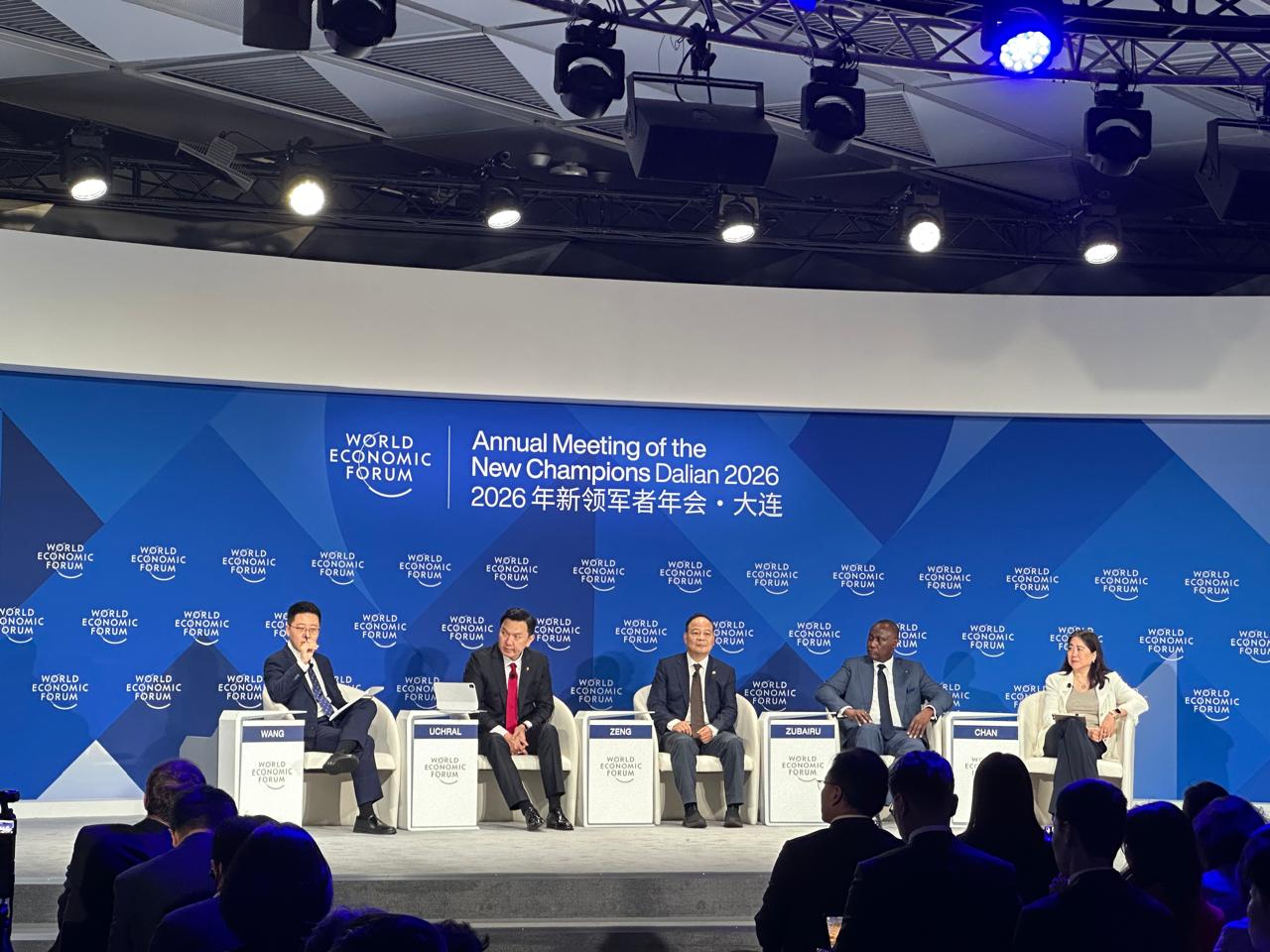
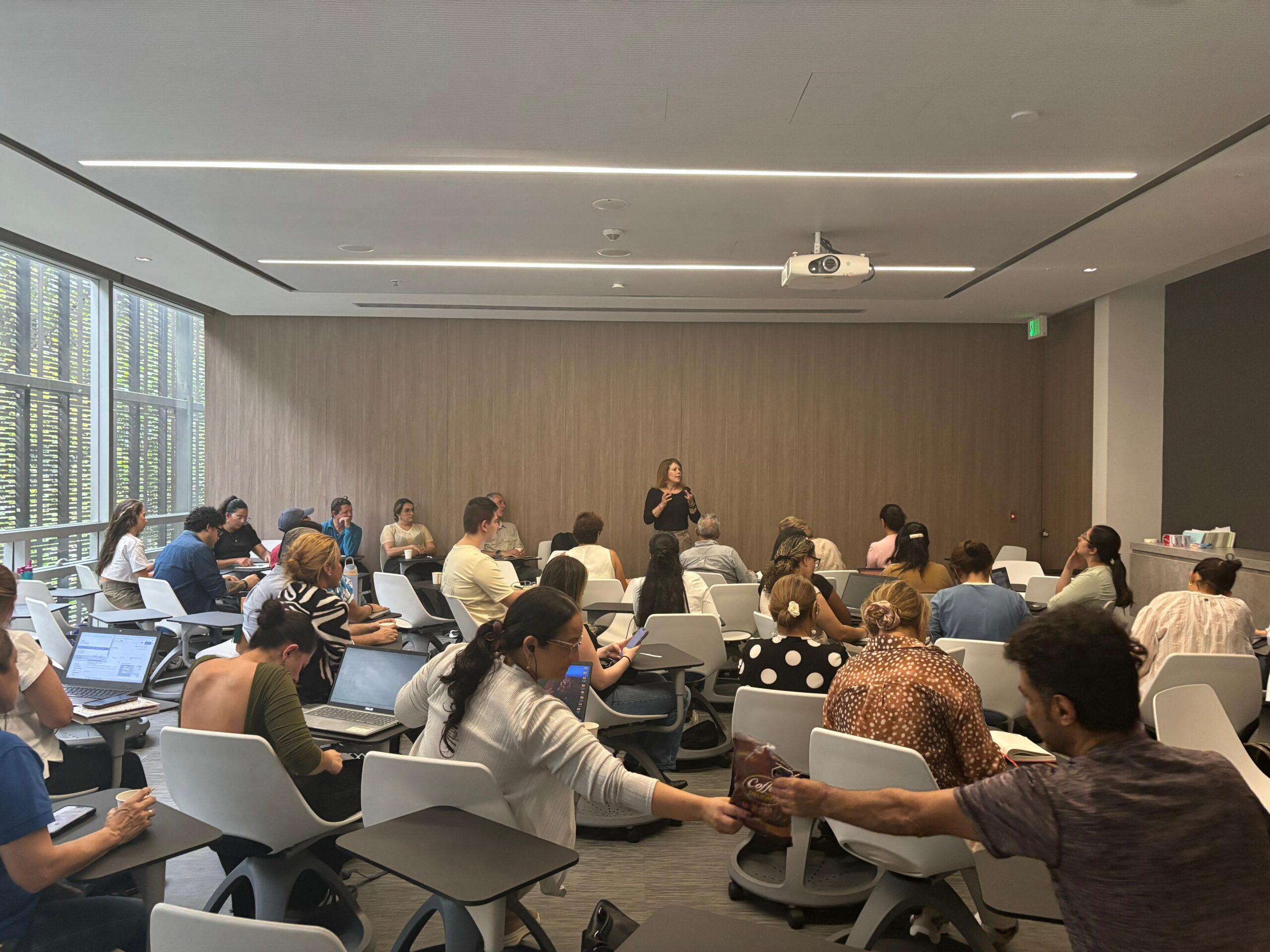
We also bring that conviction to events such as the Month of Social Innovation for New Longevity, an initiative led by Ashoka Colombia together with its network of partners, featuring events in Bogotá, Medellín, and Manizales. There, we participated in panels on digital services for older adults, facilitated a hands-on workshop on assessing digital channels for older adults, and, together with other organizations, led a co-creation session focused on employment and entrepreneurship for older adults. These events benefit us in two ways: we share what we’ve learned over 20 years of working on digital inclusion across all stages of life, and we learn from other organizations that are pursuing similar goals.
An open invitation to join this conversation
The question we want to focus on is not how we care for an aging society, but how we build alongside it. That is the conversation we want to continue having, with more allies and more older adults taking the lead in the process. If your organization is considering something similar, or if you’d like to learn more about our work in economics silver, please write to us at [email protected].